



AgreConsultant Argentina · para el mundo
Publicá tu propiedad
Cosechadora trabajando al atardecer en un campo argentinoVista aérea de campos en la pampa argentinaPuerto Madero y el Puente de la Mujer, Buenos AiresLago Nahuel Huapi y montañas en Bariloche
Inversión inmobiliaria en Argentina

Comprá en Argentina, con los números sobre la mesa

Fichas completas estilo Zillow, en español e inglés: precio, rentabilidad, comparables, costos de cierre y el paso a paso para comprar desde el exterior.

713 haDossier rural completo
2Idiomas · ES / EN
100%Curado a mano, ficha por ficha

Compará los rendimientos: Argentina vs. el mundo →

Selección curada

Propiedades destacadas

Cada ficha incluye el dossier de inversión completo: números, comparables, proceso y costos. Sin letra chica.

Ver todas
Mapa

Todas las propiedades, en el mapa

Cada pin abre la ficha completa de la propiedad. El pin de Capilla del Señor agrupa 2 propiedades: tocalo para desplegarlas. Solo ubicamos en el mapa las propiedades con coordenadas verificadas.

Feed editorial

Novedades Argentina

Guías y análisis del mercado inmobiliario argentino, escritos para el inversor que está afuera.

Ver todas las noticias
Guía del comprador

Comprar desde el exterior es más simple de lo que parece

Reserva a distancia, boleto, escritura ante escribano y posesión. Todo el proceso se puede hacer sin viajar, con poder notarial y acompañamiento en cada paso.

  • Reserva y verificación de título a distancia
  • Inspección técnica (home inspection) con nuestros arquitectos e ingenieros, antes de la reserva
  • Pagos por transferencia internacional o USDT, según la operación
  • Escritura con escribano de confianza y costos claros desde el día uno
Ver la guía completa

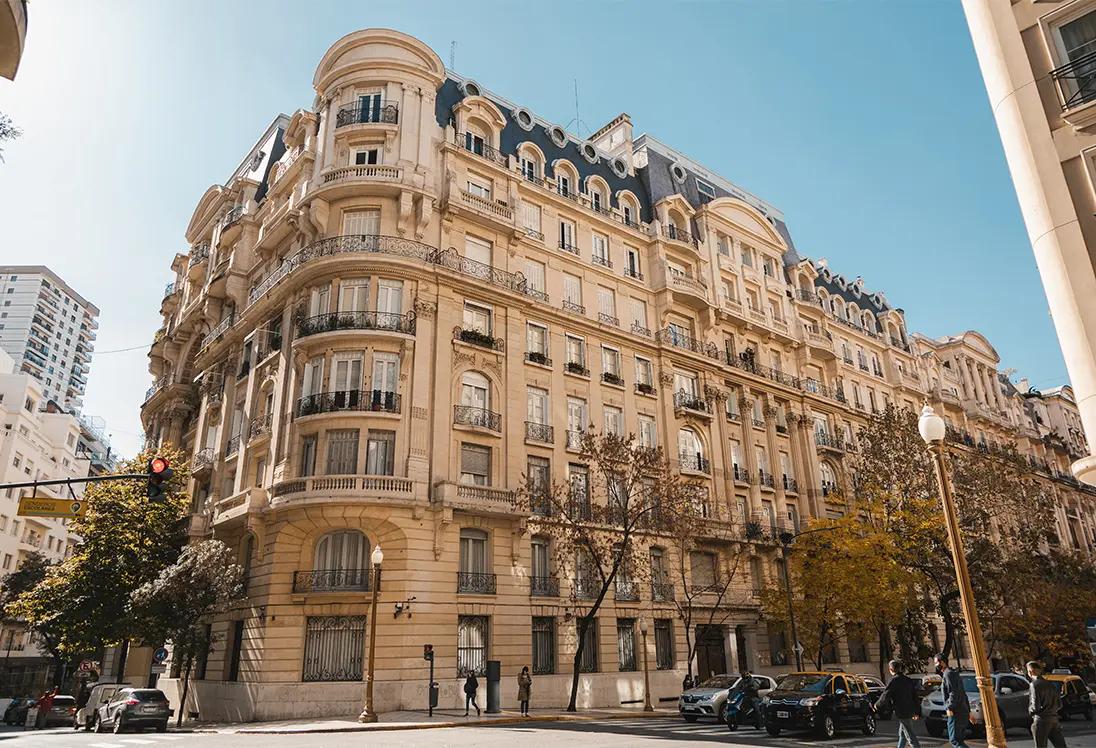
Edificio de estilo francés en Recoleta, Buenos Aires
Listing Check

¿Encontraste un aviso en otro portal? Te lo decodificamos en inglés

Zonaprop y Argenprop están escritos para el comprador local: precios mezclados en pesos y dólares, expensas que no aclaran quién las paga y costos de cierre que no aparecen. Mandanos el link del aviso y te lo devolvemos decodificado en inglés, corrido por los mismos números y criterios de nuestro simulador de inversión.

Solo necesitamos el link: pegalo en el mensaje del formulario — el tema ya queda seleccionado.

Qué incluye el análisis

  • Costo total de entrada: precio, escritura, impuestos y comisiones — todo en dólares
  • Quién paga qué: expensas, ABL y servicios, y qué queda de tu lado como propietario extranjero
  • Alertas: inconsistencias del aviso, datos que faltan y las preguntas clave para hacerle al vendedor
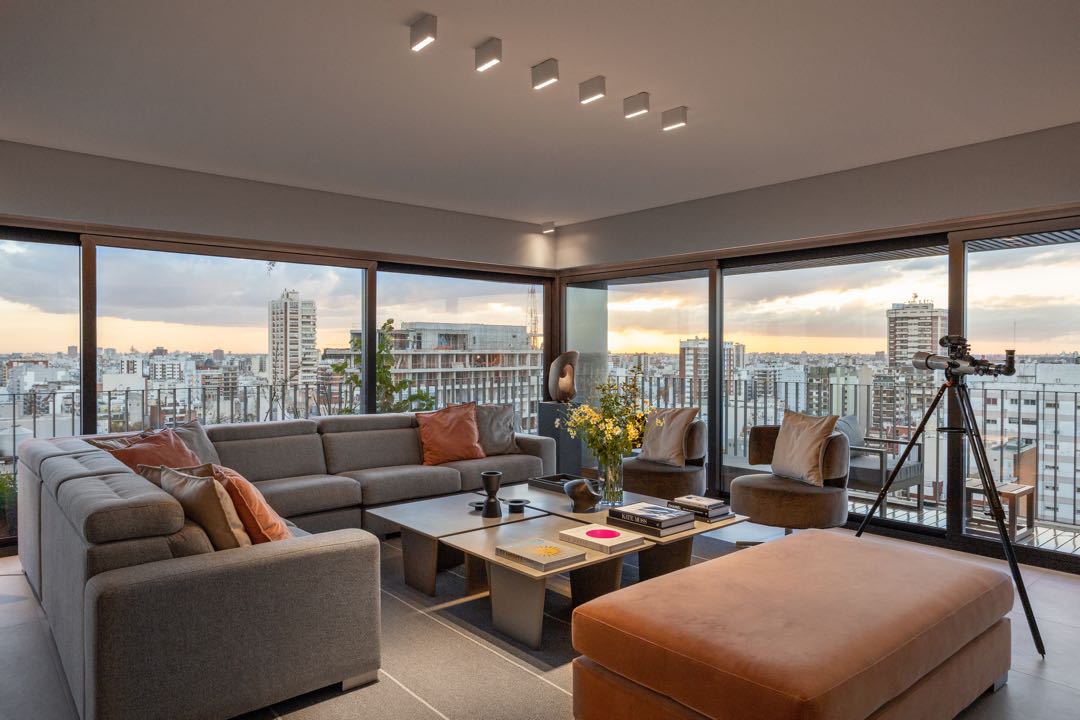
Living de un departamento premium en Buenos Aires
Para inmobiliarias argentinas

Tu vidriera frente a compradores en EE.UU.

Publicamos tus propiedades sin costo inicial, con fichas completas en español e inglés y toda la información que un comprador extranjero necesita para decidir.

Quiero publicar

Resultados

Propiedades en Argentina

Email alerts — no account needed

Tell us the area and type you are watching and we will email you when a matching property is published. No password, no account.

← Volver al inicio
Guía del comprador

Cómo comprar una propiedad en Argentina desde el exterior

✓ Guía verificada · noviembre 2026

El proceso argentino es distinto al de EE.UU.: no hay MLS ni escrow, la figura central es el escribano público. Con la documentación correcta, un extranjero puede comprar en su nombre — o vía poder — sin necesidad de residir en el país.

En 30 segundos

  • Un extranjero puede comprar a su nombre, sin residencia.
  • El CDI lo emite ARCA sin costo — pedilo antes de ofertar.
  • La compra urbana es simple: reserva, boleto y escritura ante escribano.
  • Tierra rural: tope del 15% para extranjeros (Ley 26.737), restituida por ley sancionada por el Senado el 19/11/2026.
  • Ejemplo real: USD 150.000 cierran en USD 161.303 (+7,5%); la reventa de personas físicas está exenta desde el 1/1/2026 (Ley 27.802).
01

Reserva y seña

Se firma una reserva con una seña (habitualmente USD 1.000–5.000 o un porcentaje chico) que bloquea la propiedad mientras se verifica el título. Se puede hacer 100% a distancia.

02

Boleto de compraventa

Contrato privado donde se entrega típicamente el 30% del precio y se fijan las condiciones finales, la fecha de escritura y las penalidades. El escribano ya interviene en la revisión.

03

Escritura y posesión

Ante escribano público se paga el saldo, se firma la escritura y se entrega la posesión. El escribano inscribe el título en el Registro de la Propiedad. Plazo total habitual: 30 a 60 días.

¿Tierra rural o zona de frontera? Que la seña quede condicionada a la verificación escrita del estado de la tierra: cupo, zona de frontera y Previa Conformidad si aplica.

Lo que el escribano verifica antes de que pagues

En Argentina no hay seguro de título como en EE.UU. La garantía es el estudio del escribano, y se hace antes de la escritura — y antes de entregar la seña del boleto.

Las 3 verificaciones, en criollo:

  • Informe de dominio — sobre la propiedad. ¿El que vende es de verdad el dueño? ¿La propiedad está limpia? Acá salen hipotecas, embargos, usufructos, servidumbres y si está inscripta como bien de familia.
  • Informe de inhibición — sobre la persona. ¿El vendedor puede vender? Si está inhibido — concurso, quiebra o juicio — no puede disponer de sus bienes, aunque la propiedad esté limpia.
  • Cadena de títulos — la historia hacia atrás. Las escrituras anteriores tienen que encadenar: que el que vendió antes era el dueño, que los datos y las medidas coinciden, que no haya una sucesión sin terminar o un poder vencido en el medio.

El paso que casi nadie conoce: el bloqueo de matrícula. Antes de escriturar, el escribano pide los certificados de dominio e inhibición. Ese pedido bloquea la matrícula: mientras está vigente, no se puede inscribir ningún otro acto sobre esa propiedad. Por eso el plazo boleto→escritura tiene que ser corto, típicamente ~30 días.

Informe vs. certificado — no son lo mismo. El informe de dominio lo puede pedir cualquiera con interés legítimo (titular, escribano, abogado, corredor matriculado, o vos como interesado en la operación) y solo informa. El certificado de dominio, que además congela la matrícula, solo lo pide el escribano que va a autorizar la escritura. Para pedir un informe hace falta identificar la propiedad en el Registro: número de matrícula (está en la escritura del vendedor) o al menos nomenclatura catastral y titular con DNI. Con solo una dirección no alcanza.

¿Cuánto sale? Una tasa registral, plata chica al lado de la operación. El monto exacto varía por jurisdicción (CABA, Provincia, cada provincia tiene su tabla) y se actualiza con la inflación, así que el sitio no publica un número fijo. Si lo pide el escribano, puede haber un honorario profesional, muchas veces incluido en los gastos de la escritura.

¿Qué pasa si el vendedor es trucho y se lleva el 30%? Dicho sin suavizar: si el “vendedor” no era el dueño y desaparece con la seña, es una estafa. Se puede denunciar penalmente y demandar civilmente, pero recuperar plata que se esfumó es difícil y lento, no hay un fondo que la devuelva automáticamente, y el boleto no da ningún derecho sobre la propiedad: el reclamo es solo contra la persona.

Pero en una operación bien hecha ese escenario no debería llegar: el orden correcto es informes primero, plata después. Si el informe dice que el vendedor no es el titular, no hay boleto. El vendedor trucho solo pasa cuando alguien se salta este paso.

Si el vendedor es real pero después no quiere escriturar, el boleto da dos remedios: exigir el doble de la seña, o exigir judicialmente la escrituración.

Opción negociable para el comprador nervioso: pactar por escrito que el anticipo quede en depósito en poder del escribano, no del vendedor, hasta la escritura. No es automático, hay que negociarlo, pero se puede pedir.

Un resguardo práctico: pagar siempre por transferencia rastreable a una cuenta a nombre del titular que figura en el informe, nunca en efectivo a un desconocido.

Ejemplo concreto: un comprador de Miami reserva un dos ambientes en Palermo y firma el boleto. Cuando el escribano pide los informes, aparece una hipoteca de 2019: el crédito ya estaba pagado, pero nadie había tramitado la cancelación en el Registro. Resultado: la escritura se posterga, el vendedor gestiona la cancelación, y recién ahí se fija fecha. Sin ese informe, el comprador escrituraba un departamento con una hipoteca ajena encima.

Información general (octubre 2026), no asesoramiento legal.

Verificaciones previas

Cómo funciona en EE.UU. vs. cómo lo resolvemos en Argentina

Si comprás desde Estados Unidos, estás acostumbrado a tres verificaciones antes de cerrar. En Argentina no funcionan igual — y una directamente no existe como industria. Nosotros las coordinamos todas, al inicio del proceso, para que compres con la misma tranquilidad. Y si la propiedad es un campo, sumamos una cuarta, específica del agro: el estudio de suelo.

✓

Inspección técnica de la propiedad (home inspection)

En EE.UU. es un paso estándar. En Argentina no existe como industria ni hay inspectores certificados como rubro. Nosotros lo resolvemos con nuestra red de arquitectos e ingenieros — empresas que se dedican a estos trabajos y los hacen para nosotros, de manera profesional y seria. Lo realizamos cuando estás interesado en una propiedad y querés asegurarte, antes de avanzar con la reserva o el boleto: estructura, humedad, instalaciones, techo y estado general, con informe escrito.

✓

Title search — Verificación de título

La hace el escribano: estudio de títulos, informe de dominio (dueño actual, hipotecas y embargos) e informe de inhibición del vendedor. El certificado registral además bloquea la matrícula hasta escriturar, para que no ingresen gravámenes nuevos en el medio.

✓

Home appraisal — Tasación

La hace un martillero o corredor inmobiliario matriculado; para fines bancarios o judiciales interviene un perito tasador. Es la valuación profesional que contrasta el precio pedido con el mercado real de la zona.

✓

Estudio de suelo — solo para campos

Servicio pago de pre-compra, a cargo del comprador, que coordinamos antes del boleto. El muestreo se hace por ambientes, guiado por el mapa satelital de productividad (NDVI) de cada ficha, y el análisis lo realiza un laboratorio local: química (materia orgánica, fósforo, pH), física (textura) e indicadores biológicos como dato complementario fechado. Se cotiza según la superficie y el laboratorio elegido — sin precios de lista.

Una diferencia clave: las contingencias

En EE.UU., la inspección y la tasación suelen ser contingencias del contrato: si el resultado no convence, el comprador puede bajarse. En Argentina ese estándar no existe — la protección pasa por el escribano (títulos y certificados) y por lo que se negocie y quede escrito en el boleto. Por eso coordinamos las verificaciones antes de comprometerte y, cuando corresponde, dejamos las condiciones asentadas en el boleto.

Costos de cierre estimados

Valores de referencia para operaciones urbanas; varían por provincia y por monto. Cada dossier de propiedad trae el cálculo exacto de esa operación.

¿Qué es el IVA? El IVA (VAT en inglés) es el impuesto al valor agregado de Argentina, con alícuota general del 21%. Aplica a los servicios — la comisión inmobiliaria, los honorarios profesionales y de gestión — y nunca al precio de la propiedad en sí.

Documentación para comprar desde afuera

  • Pasaporte vigente — no necesitás residencia para comprar, ni tenés que llegar ya con una identificación fiscal argentina
  • Poder notarial apostillado si no viajás a firmar
  • Origen de fondos documentado para la transferencia internacional
  • CDI — identificación fiscal del comprador extranjero: sí, se necesita antes de la escritura para inscribir el título a tu nombre, pero no lo tramitás vos — lo gestiona el escribano con tu pasaporte, sin costo

Mecanismos de pago aceptados

Información general de carácter orientativo; no constituye asesoramiento legal ni fiscal. Cada operación se valida con el escribano y el abogado intervinientes.

Antes de firmar

Tres temas que no hay que dejar para después

Herencia

La sucesión argentina es obligatoria, aunque el dueño vivía afuera y aunque haya un testamento extranjero.

Sin sucesión no se puede vender, alquilar ni transferir la propiedad.

La legítima reserva una porción a hijos, padres y cónyuge: un testamento extranjero no los puede desheredar libremente.

Los herederos en el exterior necesitan documentos apostillados y traducidos.

Recomendación: un testamento argentino para los bienes en Argentina.

Detalles a confirmar con escribano/abogado.

A nombre propio o con sociedad

A nombre propio es lo simple: CDI y Bienes Personales de no residente, ~0,5% por año.

Una sociedad argentina cuenta como extranjera para la Ley de Tierras si los extranjeros tienen más del 51%.

No esquiva los topes rurales.

Y suma costos de administración todos los años.

Una operación que viola la ley rural puede ser nula — verificalo con un abogado.

Trampas frecuentes

  • Poder falso
  • Doble venta
  • Parcela equivocada en la escritura
  • Campo sin acceso legal
  • Lote sin servicios ni subdivisión aprobada

Los informes del registro y la agrimensura cuestan poco frente al precio: pedilos antes de la seña.

← Back to home
Buyer's guide

How to buy property in Argentina

✓ Guide verified · November 2026

A foreigner can buy property in Argentina in their own name — no residency, no citizenship and no local partner required. What you do need is the right sequence: one tax ID (the CDI), three documents — reservation, boleto (sales contract) and escritura (deed) — and the checks done in the right order. This guide walks through each one, with the real closing costs and the US comparison at every step.

In 30 seconds

  • A foreigner can buy in their own name — no residency required.
  • The CDI is issued by ARCA, free of charge — apply before you make an offer.
  • Urban purchases are simple: reservation, sales contract and deed before a notary.
  • Rural land: foreign ownership is capped at 15% (Law 26,737), restored by the law passed by the Senate on 19 November 2026.
  • Worked example: USD 150,000 closes at USD 161,303 (+7.5%); resale gains by individuals are tax-exempt since 1 Jan 2026 (Law 27,802).
Before anything else

Step zero: your CDI — the foreign buyer's tax ID

The CDI (Clave de Identificación) is the tax ID Argentina issues to people who don't live in the country and don't have a CUIT. You need it before the deed: the escribano (notary) records it in the escritura and registers the title under it — and afterwards you use the same number for a local bank account, service contracts and tax filings.

  • Issued by ARCA, the tax agency (formerly AFIP) — free of charge
  • No travel needed: the escribano or your representative applies for it with your passport
  • It is an ID number, not a tax by itself — what you owe depends on how you use the property
  • Signing remotely? The same apostilled power of attorney covers the CDI application

One scope note: urban property carries no foreign-ownership restrictions. Rural land does — the Rural Land Law (Ley de Tierras) caps foreign ownership at 15% per jurisdiction and up to 1,000 hectares per foreign owner in the core farming zone, so on farms we verify the quota position before you commit.

The process

From reservation to deed in 30–60 days

01

Reservation & deposit

A reservation is signed with a deposit (usually US$1,000–5,000 or a small percentage) that takes the property off the market while the title is verified. It can be done 100% remotely.

02

Sales contract (boleto)

A private contract where typically 30% of the price is paid and final terms, deed date and penalties are set. The notary is already involved in the review.

03

Deed & possession

Before a notary public, the balance is paid, the deed is signed and possession is delivered. The notary registers the title. Typical total timeline: 30 to 60 days.

Rural or border-zone land? Make the deposit conditional on written verification of the land's status: quota, border zone and Previa Conformidad where it applies.

What the escribano checks before you pay

Argentina has no title insurance like the US. The safeguard is the escribano's title study, done before the escritura — and before handing over the boleto's seña.

The 3 checks, in plain language:

  • Informe de dominio — on the property. Is the seller really the owner? Is the property clean? This shows mortgages, liens, usufructs, easements, and whether it is registered as family property.
  • Informe de inhibición — on the person. Can the seller sell? If inhibited — bankruptcy, insolvency, or a lawsuit — they cannot dispose of their assets, even if the property is clean.
  • Chain of title — the history backwards. Earlier deeds must link up: the previous seller was the owner, data and measurements match, no unfinished succession or expired power of attorney in between.

The step almost nobody knows: the registry freeze. Before the escritura, the escribano requests the dominio and inhibición certificates. That request freezes the registry entry: while in force, no other act can be registered on that property. That is why the boleto→escritura window should be short, typically ~30 days.

Informe vs. certificado — not the same thing. Anyone with a legitimate interest (owner, escribano, lawyer, licensed broker, or you as an interested party) can request an informe de dominio, and it only informs. The certificado de dominio, which also freezes the entry, can only be requested by the escribano who will authorize the escritura. To request an informe you must identify the property in the Registry: the matrícula number (on the seller's deed) or at least the cadastral ID and the owner's name with DNI. An address alone is not enough.

What does it cost? A registry fee — small money next to the deal. The exact amount varies by jurisdiction (CABA, Provincia, each province has its own schedule) and updates with inflation, so the site does not publish a fixed number. If the escribano requests it, there may be a professional fee, often included in the escritura costs.

What if the seller is fake and runs off with the 30%? Plainly: if the “seller” was not the owner and disappears with the seña, that is fraud. It can be reported criminally and sued civilly, but recovering money that vanished is hard and slow, there is no fund that refunds it automatically, and the boleto gives no right over the property: the claim is only against the person.

But in a well-run deal that scenario should never arrive: the correct order is reports first, money after. If the report says the seller is not the owner, there is no boleto. A fake seller only happens when someone skips this step.

If the seller is real but later refuses to close, the boleto gives two remedies: demand double the seña, or demand judicial escrituración.

Negotiable option for a nervous buyer: agree in writing that the down payment stays on deposit with the escribano, not the seller, until the escritura. Not automatic — it must be negotiated — but it can be requested.

One practical safeguard: always pay by traceable transfer to an account in the name of the owner shown in the report, never in cash to a stranger.

Concrete example: a Miami buyer reserves a two-room apartment in Palermo and signs the boleto. When the escribano requests the reports, a 2019 mortgage appears: the loan was already paid off, but nobody had filed the cancellation in the Registry. Result: the escritura is postponed, the seller handles the cancellation, and only then is a date set. Without that report, the buyer would have closed on an apartment carrying someone else's mortgage.

General information (October 2026), not legal advice.

Pre-purchase checks

How it works in the US vs. how we handle it in Argentina

If you're buying from the United States, you're used to three checks before closing. In Argentina they don't work the same way — and one of them simply doesn't exist as an industry. We coordinate all three, early in the process, so you can buy with the same peace of mind. And if the property is farmland, we add a fourth, agriculture-specific check: the soil study.

✓

Property technical inspection (home inspection)

In the US it's a standard step. In Argentina there is no home-inspection industry and no certified-inspector trade as such. We handle it through our network of architects and engineers — firms that specialize in this work and do it for us, professionally and rigorously. We arrange it when you're interested in a property and want certainty, before moving ahead with the reservation or the sales contract: structure, moisture, systems, roof and overall condition, with a written report.

✓

Title search

Handled by the notary (escribano): title study, ownership report (current owner, mortgages and liens) and a seller clearance (inhibition) report. The registry certificate also locks the title record until the deed is signed, so no new liens can be entered in between.

✓

Home appraisal

Handled by a licensed real estate broker / auctioneer (martillero); for bank or court purposes, a certified appraisal expert (perito tasador) steps in. It's the professional valuation that tests the asking price against the real local market.

✓

Soil study — farmland only

A paid pre-purchase service, at the buyer's cost, that we coordinate before the sales contract (boleto). Sampling is done by management zone, guided by each dossier's satellite productivity (NDVI) map, and a local laboratory runs the analysis: chemistry (organic matter, phosphorus, pH), physics (texture) and biological indicators as dated supplementary data. Quoted per property, based on area and the laboratory chosen — no list prices.

One key difference: contingencies

In the US, inspection and appraisal are usually contract contingencies: if the result isn't acceptable, the buyer can walk away. Argentina has no such standard — protection comes from the notary (titles and certificates) and from whatever is negotiated and written into the sales contract (boleto). That's why we coordinate the checks before you commit and, when appropriate, we make sure the conditions are written into the boleto.

Estimated closing costs

Reference values for urban deals; they vary by province and amount. Each property dossier carries the exact calculation for that deal.

Worked example: the real closing costs on a USD 150,000 purchase

An apartment in Buenos Aires (CABA), using the same percentages as our investment simulator. Estimates — the escribano confirms the exact figures for your deal before the deed.

What is VAT? VAT (IVA in Spanish) is Argentina's value-added tax, at a general rate of 21%. It applies to services — the brokerage commission, professional and management fees — and never to the property price itself.

Paperwork to buy from abroad

  • Valid passport — no residency needed to buy, and you don't need to arrive already holding an Argentine tax ID
  • Apostilled power of attorney if you won't travel to sign
  • Documented source of funds for the international wire
  • CDI — the foreign buyer's tax ID: yes, one is needed before the deed so the title can be registered in your name — but you don't get it yourself; the notary obtains it for you, free, with your passport

General orientation information; not legal or tax advice. Every deal is validated with the acting notary and attorney.

Before you sign

Three things not to leave for later

Succession

Argentine probate (sucesión) is mandatory — even if the owner lived abroad, and even with a foreign will.

Without probate, the property cannot be sold, rented or transferred.

Forced heirship reserves a share for children, parents and spouse: a foreign will cannot freely disinherit them.

Heirs abroad need apostilled, translated documents.

Our recommendation: an Argentine will for your Argentine assets.

Details to be confirmed with the notary/attorney.

Own name or Argentine company

Your own name is the simple route: a CDI, plus non-resident wealth tax (Bienes Personales) of about 0.5% a year.

An Argentine company counts as foreign under the Rural Land Law when foreigners hold more than 51% of it.

It does not get around the rural caps.

And it adds administration costs every year.

A deal that breaks the rural land law can be void — check with an attorney.

Common traps

  • Fake power of attorney
  • Double sale
  • Wrong parcel on the deed
  • Land with no legal road access
  • Lot without utilities or approved subdivision

Registry reports and a survey cost little next to the price: request them before the deposit.

Run your numbers

See the entry — and the exit — before you buy

Our investment simulator runs any property through the full math: your capital, these closing costs, income and expenses, net yield and a 10-year projection. Right under the result sits the expandable box “And when you exit?” — selling costs, how rent agreed in dollars leaves the country freely (and why rent in pesos doesn't), wire costs and what actually lands in your account abroad, calculated from your own simulation.

Open the investment simulator Browse properties